History of the 1952 Language Movement
A historic struggle that shaped Bangladesh’s cultural identity and inspired global recognition of native languages.
Introduction
The Language Movement of 1952 was a defining moment in Bangladesh’s history. Citizens protested against the imposition of Urdu as the sole state language, demanding recognition of Bangla.
Students, intellectuals, and ordinary citizens united for their mother tongue, turning a protest into a movement symbolizing identity, dignity, and cultural pride.
Background of the Movement
After Pakistan’s creation in 1947, Urdu was declared the only state language. This sparked protests among the Bengali-speaking majority, who demanded recognition of Bangla.
Students, cultural groups, and intellectuals organized rallies, meetings, and demonstrations. The movement spread nationwide, becoming a symbol of linguistic pride and identity.
Key Events of 1952
February 21 Protest
Students defied Section 144 and gathered near Dhaka University. Police opened fire, killing several students.
Language Martyrs
Brave souls like Salam, Barkat, Rafiq, and Jabbar sacrificed their lives, becoming symbols of resistance and national pride.
Nationwide Movement
News spread rapidly, intensifying protests across the country and uniting citizens for the cause.
Recognition of Bangla
The movement led to Bangla being recognized as a state language in 1956, marking a historic victory.
Legacy and Global Impact
The Language Movement not only protected Bengali linguistic rights but also laid the foundation for Bangladesh’s independence movement. It strengthened national identity and unity.
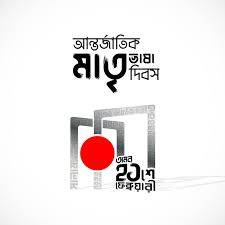
UNESCO declared February 21 as International Mother Language Day in 1999, honoring the martyrs. Today it is celebrated worldwide to promote linguistic diversity and cultural heritage.